The position
Treasure Island is building its safety net before its visitor economy, and the published delivery dates make that order visible. The order serves the residents who have moved in. It leaves the lodging the entitlement permits, at up to 500 rooms, without a start date, a site or an operator.
What four years delivered
Treasure Island Community Development has completed nearly 1,000 homes across Treasure Island and Yerba Buena Island in less than four years, about 27 percent of them below market rate (San Francisco Chronicle, 8 July 2026). Isle House, at 250 units, and Hawkins, at 178, both run above 90 percent rented. The Bristol, a 124-unit condominium building, runs about 70 percent sold.
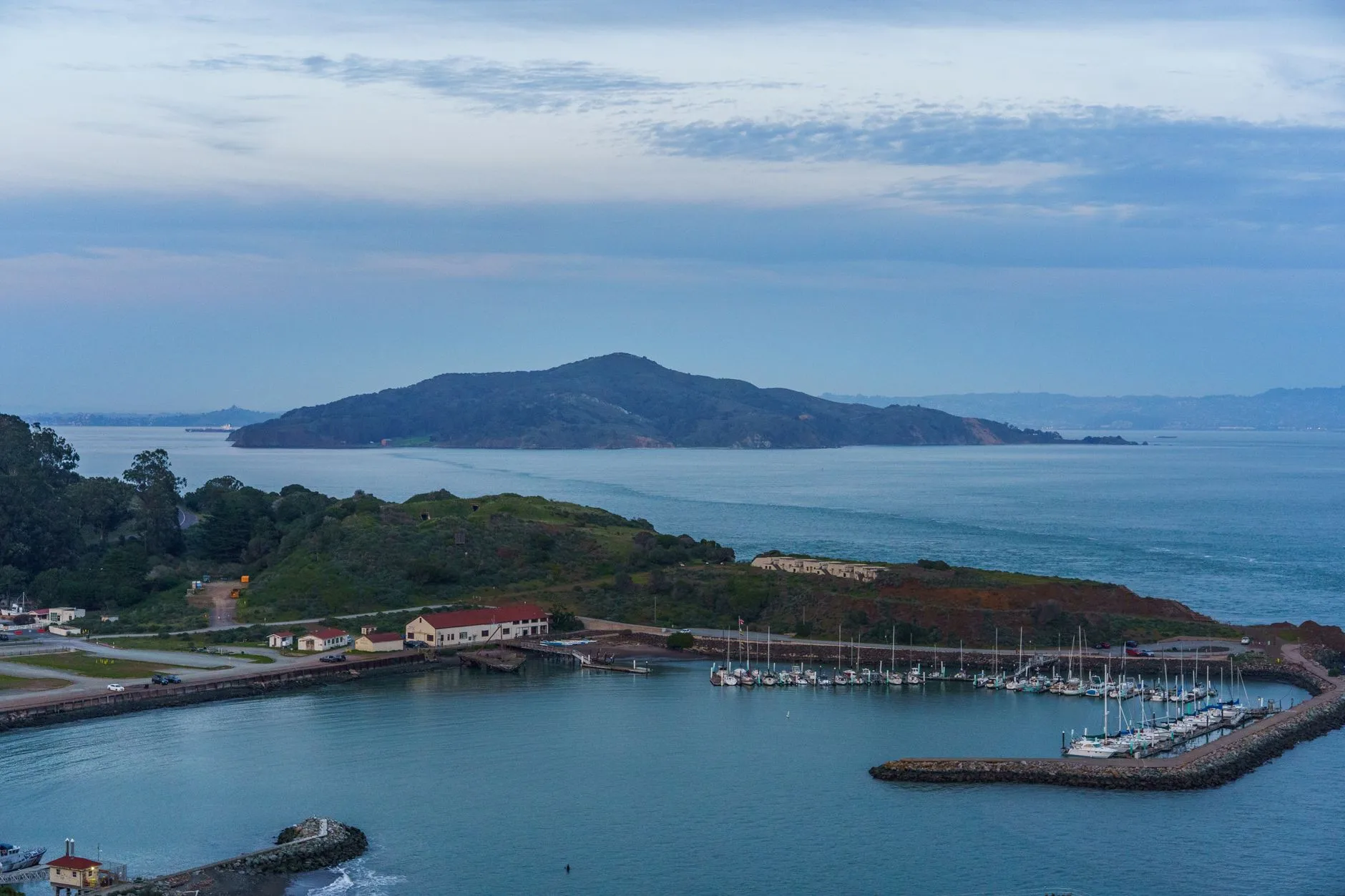
Eight parks are open, and the island operator publishes 300 acres of parks and open space at full buildout with 22 miles of trails.
The care building arrives first on public money
The authority's Fall 2026 forecast, last updated on 14 September 2026, puts the behavioral health building on Parcel E1.2 at a November 2026 start, a July 2028 end and an estimated $70 million. The public money sits on the record. The Mayor's Office release of 12 March 2026 carries $14.2 million of Proposition 1 funding for 44 residential addiction treatment beds inside the building, and describes a 64,000-square-foot, six-story building at Tradewinds Avenue and Mackey Lane that will also hold 172 beds relocated from former U.S. Navy housing.
The developer's own solicitation is the second document on the parcel. Mercy Housing California issued it on 4 August 2026 for the building it describes as a 120-unit, 100 percent affordable residential step-down facility, a turnkey development owned by the San Francisco Department of Public Health, with Cahill Contractors as general contractor and a 2 November 2026 construction start.
The rooms the entitlement allows
The project's CEQA record sets the entitlement at up to 8,000 residential units, 500 hotel rooms, up to 140,000 square feet of commercial and retail space, up to 100,000 square feet of office space and up to 311,000 square feet of adaptive reuse across three historic buildings, phased over an approximately 15- to 20-year period.
The authority's forecast carries seven island rows and no lodging row. The island operator lists venues, parks and services across its own site.
The sequence the table publishes
Three rows hold the earliest starts. Parcel E1.2 Senior adds 100 residential rental units from February 2027 to October 2028. Parcel IC4.3 adds 150 rental units from June 2027 to May 2029 under John Stewart Company and Catholic Charities. The four parcels held by Treasure Island Community Development run after them: 117 rental units at B1-B2 from 2027 to 2029, 76 condominium units at C2.3 from 2027 to 2029, and 265 condominium units at C2.1 and 160 at C3.5 from 2028 to 2030.
Every one of the seven rows carries a 41 percent small-business enterprise goal. The three assisted rows name TIDA@sfgov.org as the contact, and the four commercial rows name projectinquiries@tisf.com.
What has to change before hospitality starts
Three items carry a publisher and a date when they land. A lodging row on the authority's forecast would date the rooms. A named operator would settle the question faster. A contractor and a value on a commercial parcel would show the vertical work moving.
The revised application is the fourth. The Chronicle reported on 8 July 2026 that the development team submitted a proposal to raise the plan by 35 percent, from 8,000 units to 10,800.
What would move the verdict
A hotel row with a start date and a value would settle the argument, and a named operator would settle it faster. The demand case is the second half of the argument. Engine puts the San Francisco average nightly rate at $165 across 3.1 million public rate observations from May 2024 to April 2026, which ranks 18th of 50 markets.
The order stands on the published dates, and it is the order the island is building.