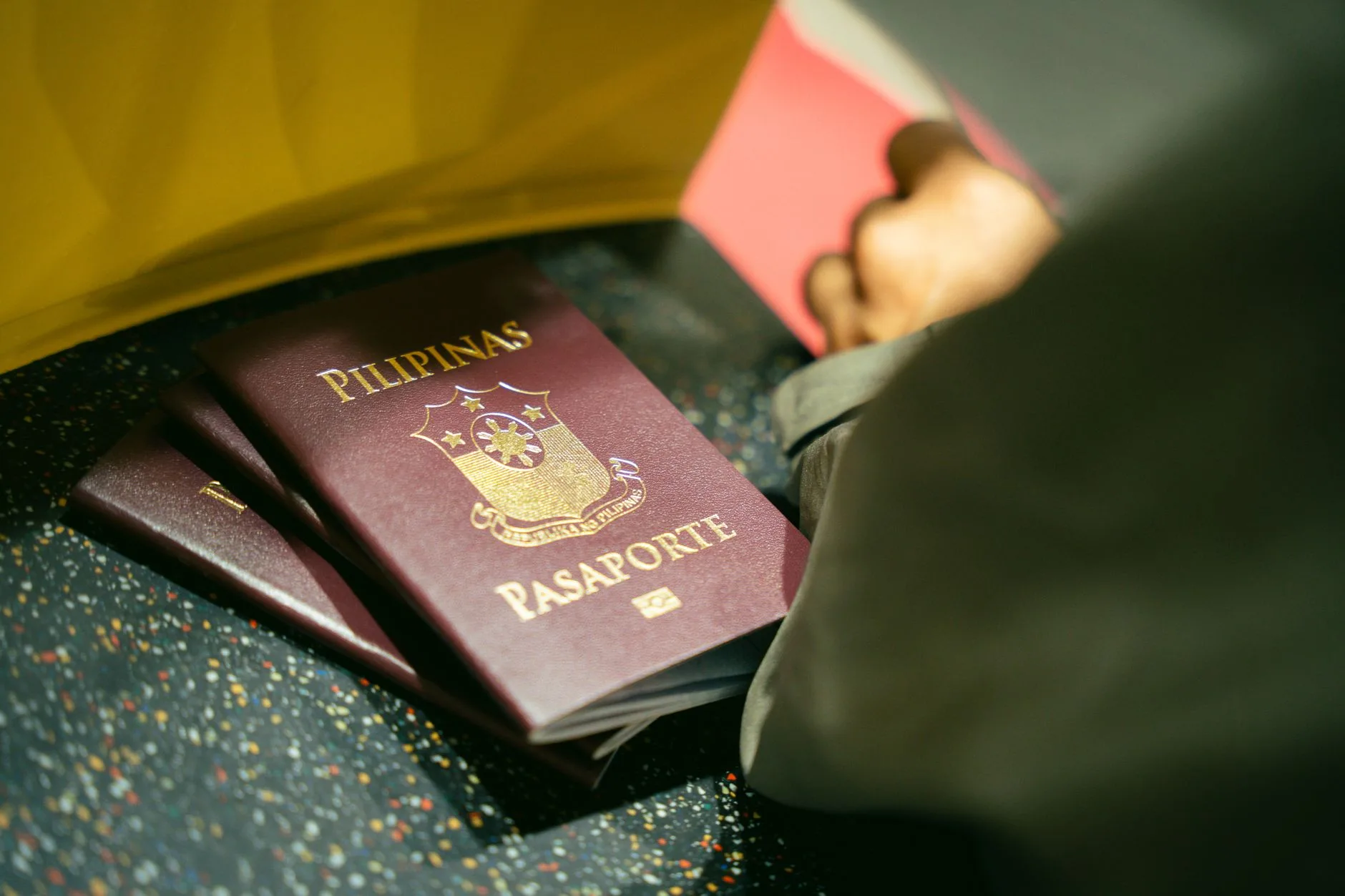
The European Commission has signalled further flexibility for the EU Entry/Exit System. It named no instrument and no date. Maja Bakran Marcich, deputy director-general for mobility and transport, said it at Skift’s Transatlantic Summit in Dublin on 15 October 2026. “There will be some further flexibility,” she said. She also said “a balance will be found, from what I understand.”
The instrument and the dates
Regulation (EU) 2025/1534 on temporary derogations from certain provisions of Regulations (EU) 2017/2226 and (EU) 2016/399 was adopted on 18 July 2025 and entered into force on 26 July 2025. The Commission set 12 October 2025 as the launch date for the progressive start of operations. The Commission states the system became fully operational on 10 April 2026 and replaced the stamping of passports on that date.
That regulation carries the power that let member states suspend the biometric step. Skift records the expiry of the option as 7 September 2026. The remarks in Dublin came a month after that date. Skift records that Ryanair, the International Air Transport Association, ACI EUROPE and nine governments had pressed Brussels to keep the option.
The industry filing of 12 October
ACI EUROPE and Airlines for Europe published a six-point plan on 12 October 2026. The two bodies record waits reaching up to five hours at peak traffic times in the most extreme cases. Waits still routinely exceed two hours, nearly six months after full implementation. The release states that the queues expose passengers to missed flights and connections, congest terminals, and put pressure on border guards, airport staff and airline staff.
Olivier Jankovec, ACI EUROPE director general, and Ourania Georgoutsakou, Airlines for Europe managing director, said the EES has strengthened the security of Europe’s external borders and that it is not delivering on efficient border crossings. Their statement read: “This is no longer a teething problem, nor can passengers, airports and airlines keep paying the price for avoidable disruption.”
The six proposals
The filing asks for six changes: eliminate double verification; optimise biometric verification; prevent duplicate EES profiles; rethink and upgrade the Travel to Europe app and web portal; accelerate and harmonise Automated Border Control for third-country nationals; and restore the possibility of partially suspending the EES with no biometric registration, as a permanent flexibility mechanism.
The release names four causes: inadequate border control staffing; instability in the IT systems underpinning the EES; limited deployment and use of Self-Service Kiosks and Automated Border Control gates; and limited functionality and deployment of the Travel to Europe pre-registration app.
The Commission position
Bakran Marcich said the system stays. “These queues are here to stay,” she said. She said some member states had not delivered adequate logistics, that some airports are physically constrained, and she cited Brussels Airport. She said pre-registration apps exist in some countries and not in others.
The Commission states the system registers a traveller’s name, travel document data, fingerprints and captured facial images, and the date and place of entry and exit, and that it records refusals of entry. The system covers short-stay non-EU nationals crossing the external borders of 29 European countries.
What the border time means for a hotel contract
Arrival time at the airport sits outside the hotel’s control. A corporate account that books international arrivals carries the queue as a check-in risk. The published remarks do not alter the no-show window, the late-arrival guarantee or the first-night cancellation ladder.
The filing asks for a permanent suspension mechanism. The Commission has not adopted one.
The November strategy
The Commission is due to adopt its tourism strategy on 4 November 2026. Bakran Marcich said it will include a proposal on cross-border car rentals, where one-way international drop-off fees can push costs to five times or more the price of a domestic rental. The strategy sits alongside the Passenger Package, which would require rail operators to share booking and timetable data.