The Contract and the Scope
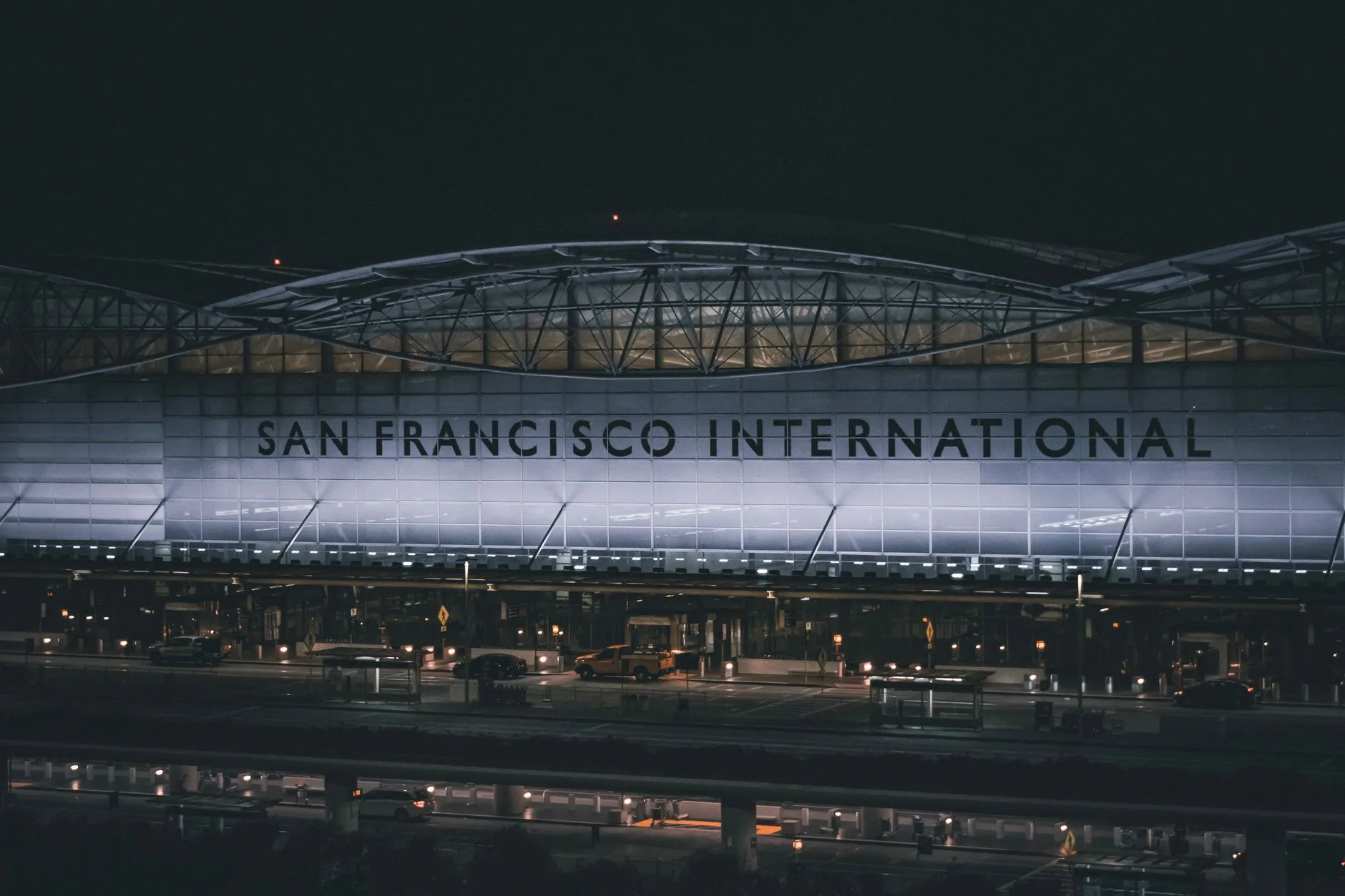
Turner Construction announced the groundbreaking on Terminal 3 West at San Francisco International Airport on 5 September 2024. The contract is $2.6 billion. The scope is a 200,000 sq ft expansion, 650,000 sq ft of renovation, and a new six-story building for airline lounges and operational office space.
The terminal stays open through the work. The airport's construction page lists what passengers meet today: a larger check-in lobby with self bag-drop, new centralized checkpoints on the departures and mezzanine levels, interim post-security walkways around the site, and a Terminal 3 AirTrain station that stays closed until the new facility opens in 2027.
The Night Moves
Turner built two temporary passenger corridors as 11 modules at a nearby air cargo yard. The West Corridor runs 1,000 feet. The East Corridor runs 400 feet. Crews moved the modules across the airfield over 11 consecutive nights.
Turner calls the plan one and done. The reason the company gives is the complexity of repeated moves across a multi-year programme.
Four Decisions an Owner Can Take
Settle the guest route before demolition starts. A hotel that renovates a lobby or a tower commits to a walking path for the length of the work. Draw that path on the same sheet as the demolition plan. Issue both together.
Build the temporary piece away from the guest. The corridor modules came out of a cargo yard. A hotel can build a temporary reception desk, a breakfast room or a back-of-house corridor in a warehouse, then slide it into place. The move carries a yard lease, transport and a fixed install sequence. Turner publishes no cost for the two corridors. Get that number in writing before the owner approves the approach.
Count the moves once. One and done committed the project to a larger temporary structure for the full duration. An owner pays for that commitment in square footage and in capital tied up until the structure comes out.
Publish the handover in stages, with a date on each. Turner dates the expansion to fall 2027 and the eastern addition of Terminal 3 to 2029. A hotel can run the same shape: rooms first, food and beverage second, lobby last. Each date becomes a booking decision, a rate decision and a sales commitment.
Where the Money Sits
The temporary corridor, the yard lease and the night crew all land before the first renovated room sells. Underwrite them as a separate line, with its own draw schedule and its own completion test.
Staging also carries a labour line. A relocated desk, temporary signage and a concierge script that matches the new path need people assigned for the duration. Budget the staff who run the detour alongside the crews who build the replacement.
Three Items the Record Does Not Publish
The cost of the two temporary corridors. The date the corridors come out. The measured walking time for a passenger using them.
Ask a contractor for all three in writing before the drawings are approved.
The Lodging Beside the Site
The on-airport benchmark is the Grand Hyatt at SFO: 351 soundproof rooms including 22 suites, 11 meeting rooms, more than 14,000 sq ft of event space, and Twin Crafts Market open 24 hours. The airport's hotel shuttle page lists 30 hotels with courtesy shuttle service. Those 30 properties hold the corridor's lodging supply, and the terminal rebuild gives each of them a construction window with a published end date.
A Rule for the Next Renovation
Treat the disruption schedule as a design deliverable. Issue it with the drawings. Price it as a line item. Hold the contractor to the night count in the contract.
Terminal 3 West puts that count at 11 nights for the corridor installation. An operator who cannot state the same number for their own building has not planned the renovation.